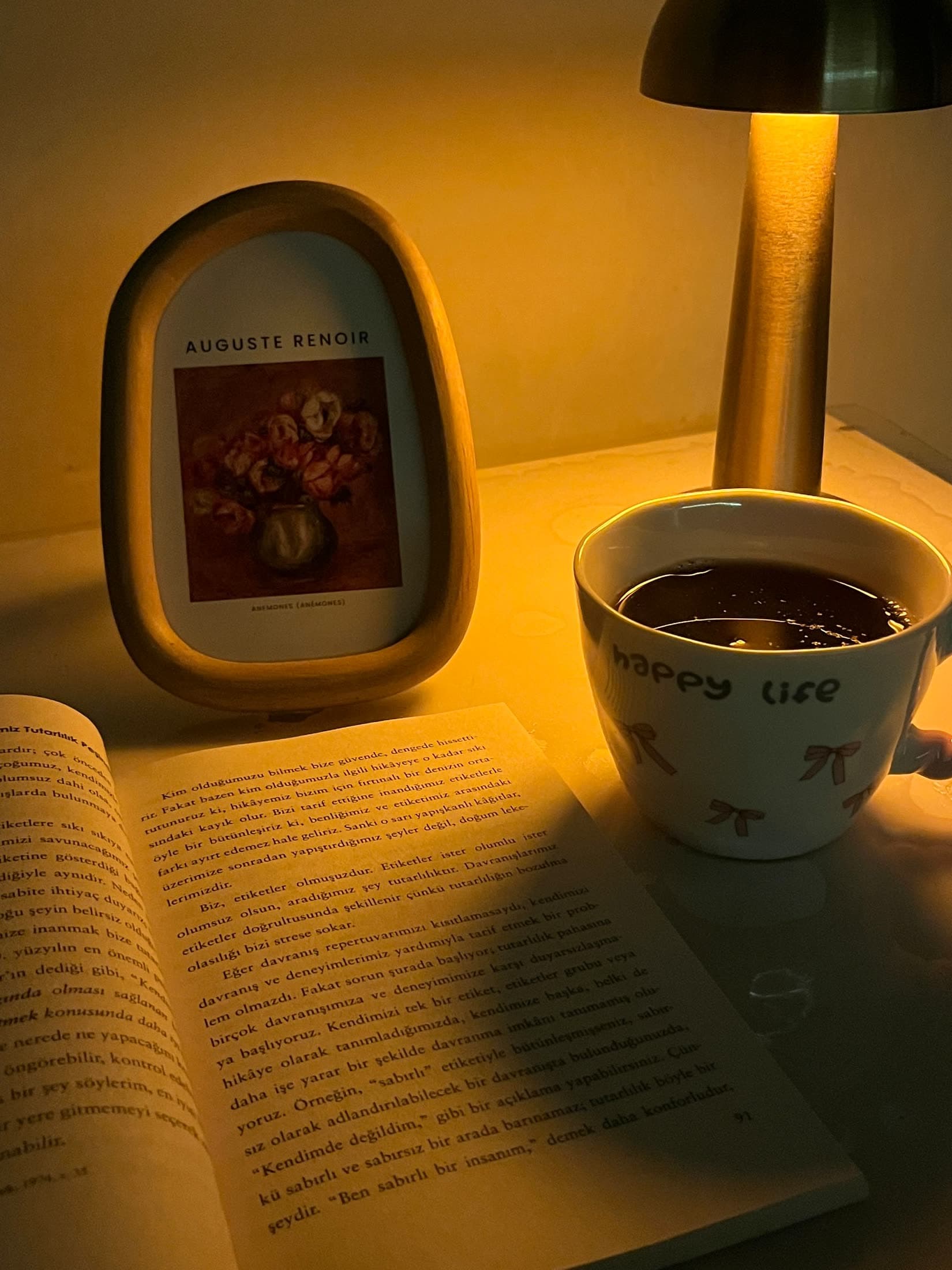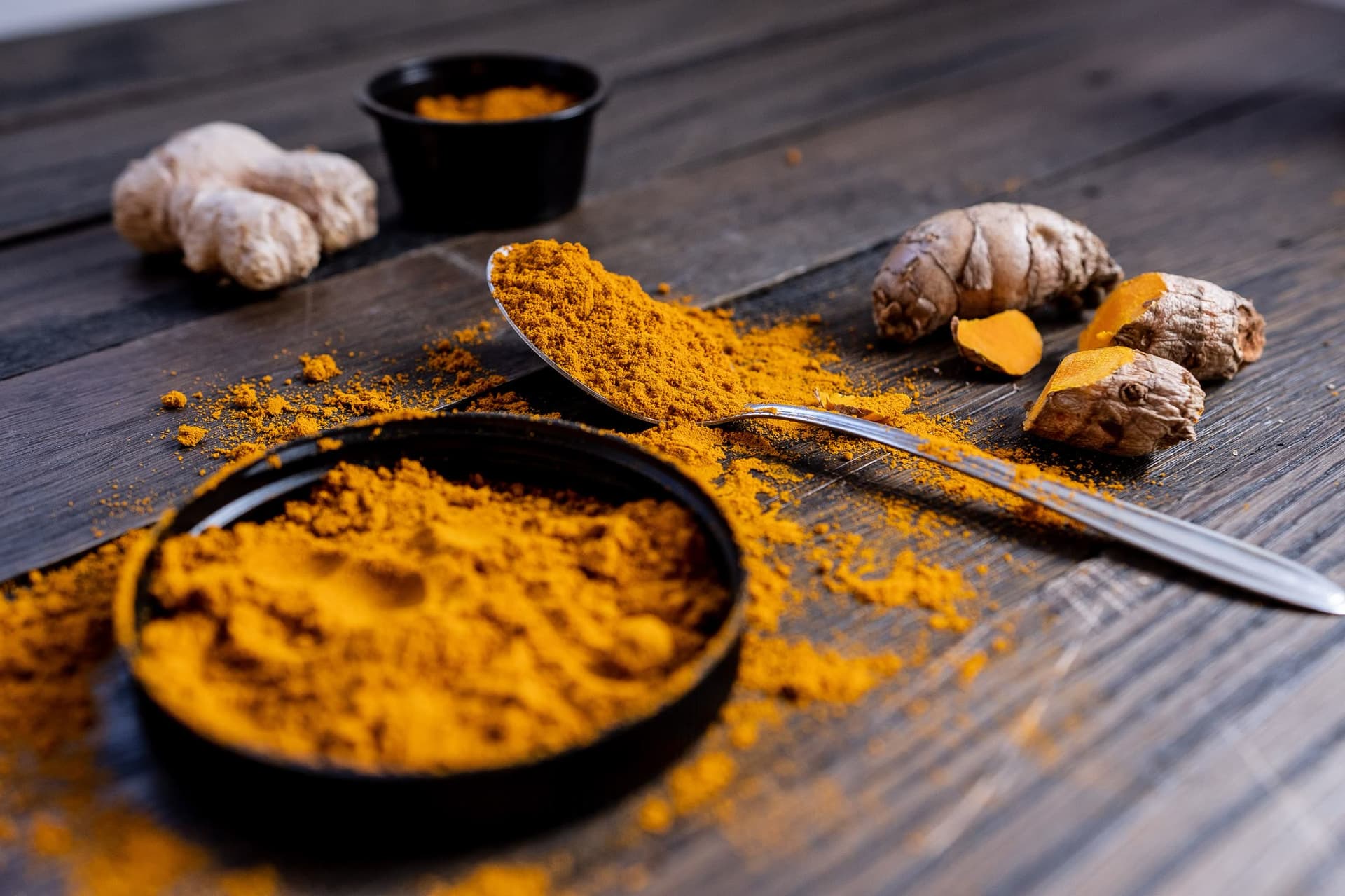
Ayurveda is India’s traditional system of medicine, thousands of years old. In Vietnam many people meet it through spas, massage oils or constitution-based “courses”. Ananta takes a different, humbler approach: we borrow just one idea — dinacharya, the daily routine — and translate it into the language of someone working in Hanoi.
Why only “inspired by”?
The US National Center for Complementary and Integrative Health (NCCIH) notes that there is little rigorous research on Ayurveda’s effectiveness, and warns that some Ayurvedic products have been found to contain heavy metals such as lead, mercury or arsenic. NCCIH also advises against using Ayurveda to postpone seeing a doctor about a health problem.
So Ananta does not assess constitutions, does not sell or recommend products and does not attach Ayurveda to any health promise. What we keep is the part anyone can try: regularity.
Five anchors for a daily rhythm
- Wake at a fixed time, weekends included (within an hour).
- Meet the morning light: open a window, step onto the balcony or walk for a few minutes within the first fifteen minutes of waking.
- Make lunch the main meal: where possible, let lunch be fuller and dinner lighter.
- Eat dinner earlier: try to finish at least two to three hours before bed.
- An evening that winds down: dim the lights, reduce screens and keep a fairly consistent bedtime.
A daily rhythm is not a rigid timetable. It is more like a riverbank: clear enough to give the current direction, soft enough to let life flow.
Where it meets modern guidance
Interestingly, many of these anchors overlap with public-health advice. The US CDC recommends consistent bed and wake times. Doctors at Vietnam’s National Institute of Mental Health (Bach Mai Hospital) also mention morning light and leaving time between dinner and sleep. We do not need to accept every Ayurvedic concept to see the value of a steady rhythm.
Self-massage with oil (abhyanga) — worth trying?
In Ayurveda, a morning self-massage with warm oil is a self-care ritual. If it appeals, it can be five pleasant minutes: use a familiar food-grade oil such as sesame or coconut and gently massage your arms and legs before showering. Test a small patch of skin first and stop if it irritates. This is a relaxing ritual, not a therapy.
How to start
Choose one anchor that is easiest for you — usually wake time — and keep it for seven days. Only then add a second. A daily rhythm is built by repetition, not by one morning’s resolve.
When to involve a professional
If you use any herbal or Ayurvedic products, tell your doctor. If you have a persistent health problem, do not let traditional practices delay getting it checked.
Sources
- 1Ayurvedic Medicine: In Depth — NIH National Center for Complementary and Integrative Health · accessed 3 November 2026
- 2About Sleep — Centers for Disease Control and Prevention (CDC) · accessed 3 November 2026
- 310 mẹo đơn giản giúp ngủ ngon hơn — VnExpress Sức khỏe · accessed 3 November 2026
- 4Mất ngủ (Kỳ 4): Phòng ngừa mất ngủ — xây dựng thói quen “vệ sinh giấc ngủ” — Viện Sức khỏe Tâm thần, Bệnh viện Bạch Mai · accessed 3 November 2026
This article is lifestyle education and does not replace medical diagnosis or advice. If you have persistent symptoms or are under treatment, talk with your doctor.