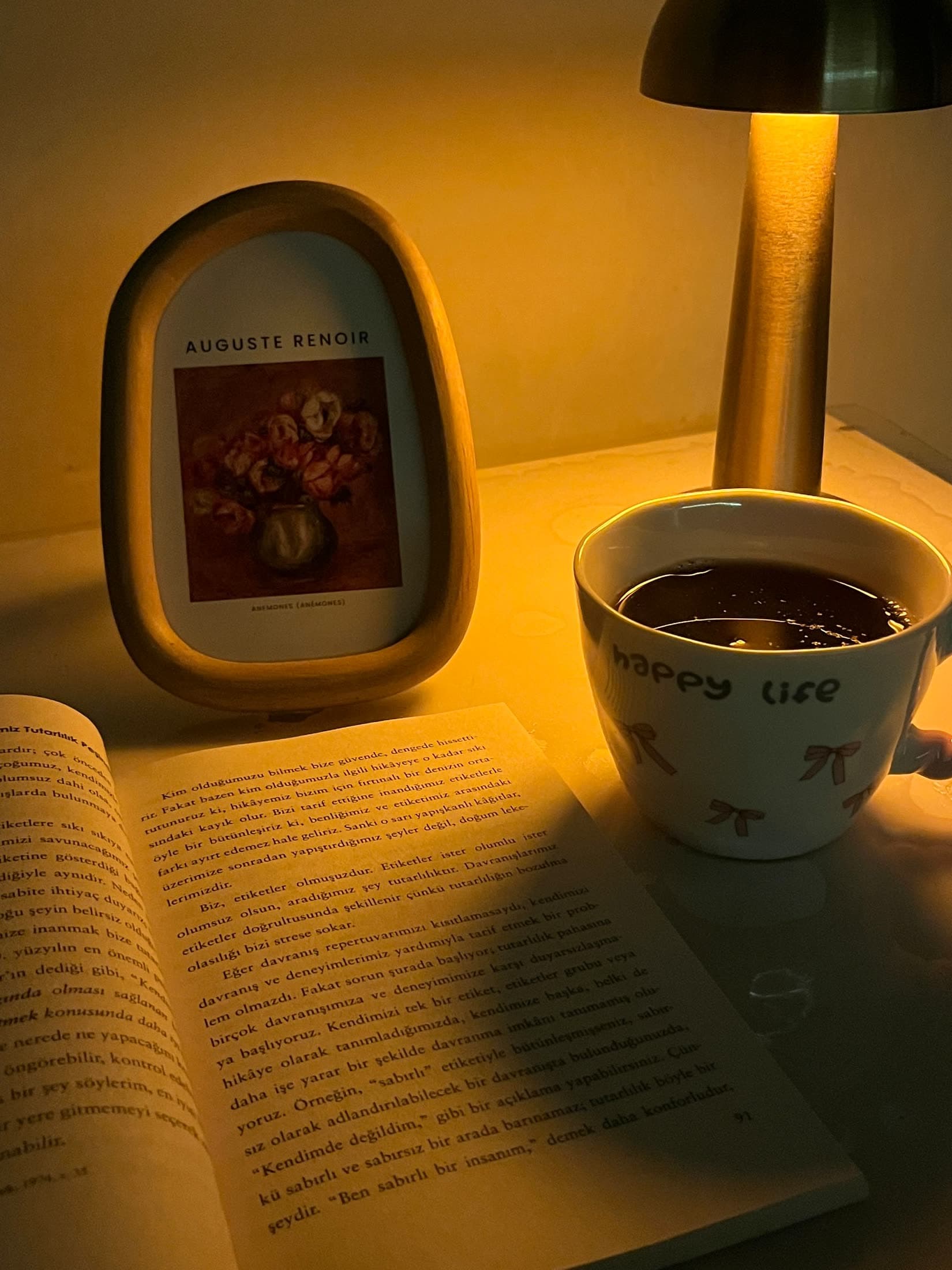
Ten at night. The work is done, the children are asleep, but your mind is still running as if you were mid-meeting. You scroll your phone “to relax”, and when you look up it is almost midnight. If this sounds familiar, you are not lazy or undisciplined. You are simply missing a transition.
Why a transition matters
After a day full of decisions, going straight from work to bed is like braking hard in a fast car. A short evening rhythm creates a clearer boundary: work is paused; now is time to look after yourself.
The US CDC recommends that adults aged 18–60 sleep seven or more hours a night, and lists supportive habits such as consistent bed and wake times, a dark, quiet bedroom and avoiding electronic devices right before bed. The 15-minute rhythm below is one way to turn that advice into something you actually do.
A 15-minute sequence for busy days
Keep the same order for seven days. The goal is to find what fits you, not to do it perfectly.
- 3 minutes — close the working day. Write down one task to continue tomorrow, then put your work laptop and phone out of reach.
- 5 minutes — change the space. Change clothes, wash your face, switch off the ceiling light and turn on a soft lamp.
- 4 minutes — gentle movement. On the bed or a mat: fold forward with soft knees, twist your spine to each side, roll your shoulders slowly.
- 3 minutes — breathe out longer than in. Inhale through the nose for four counts, exhale slowly for six. No forcing, no breath-holding.
One missed evening does not erase your practice. Tomorrow, you simply begin again.
The minimum version
Some nights you get home late with nothing left. Prepare a “minimum version” in advance: silence work notifications, take three slow breaths, go to bed. That is enough. A lasting habit is one that survives your worst days.
A few things to avoid in the evening
- Strong tea, coffee or milk tea after mid-afternoon.
- Dinner that is very late or very heavy — many doctors suggest eating at least two hours before bed.
- Checking work email in bed.
After seven days, ask yourself
- Which step was easiest?
- Which step helped you feel most clearly that you were slowing down?
- Keep one or two of those before adding anything new.
When to see a doctor
A steady evening rhythm is a lifestyle practice, not a way to manage a sleep disorder. According to Vietnam’s National Institute of Mental Health (Bach Mai Hospital), if sleep difficulty occurs more than three nights a week, lasts longer than three months or clearly affects your day, you should see a specialist. Loud snoring with pauses in breathing, excessive daytime sleepiness or lasting changes in mood are also signs worth getting checked.
Sources
- 1About Sleep — Centers for Disease Control and Prevention (CDC) · accessed 3 November 2026
- 2How to fall asleep faster and sleep better — NHS Every Mind Matters · accessed 3 November 2026
- 3Mất ngủ (Kỳ 4): Phòng ngừa mất ngủ — xây dựng thói quen “vệ sinh giấc ngủ” — Viện Sức khỏe Tâm thần, Bệnh viện Bạch Mai · accessed 3 November 2026
- 4Sleep Disorders and Complementary Health Approaches — NIH National Center for Complementary and Integrative Health · accessed 3 November 2026
This article is lifestyle education and does not replace medical diagnosis or advice. If you have persistent symptoms or are under treatment, talk with your doctor.